Halloween Pumpkin Carving Contest · Starts October 1st · $500 in prizes
← Back to ideas
@ai_concepts
Sep 25, 2026
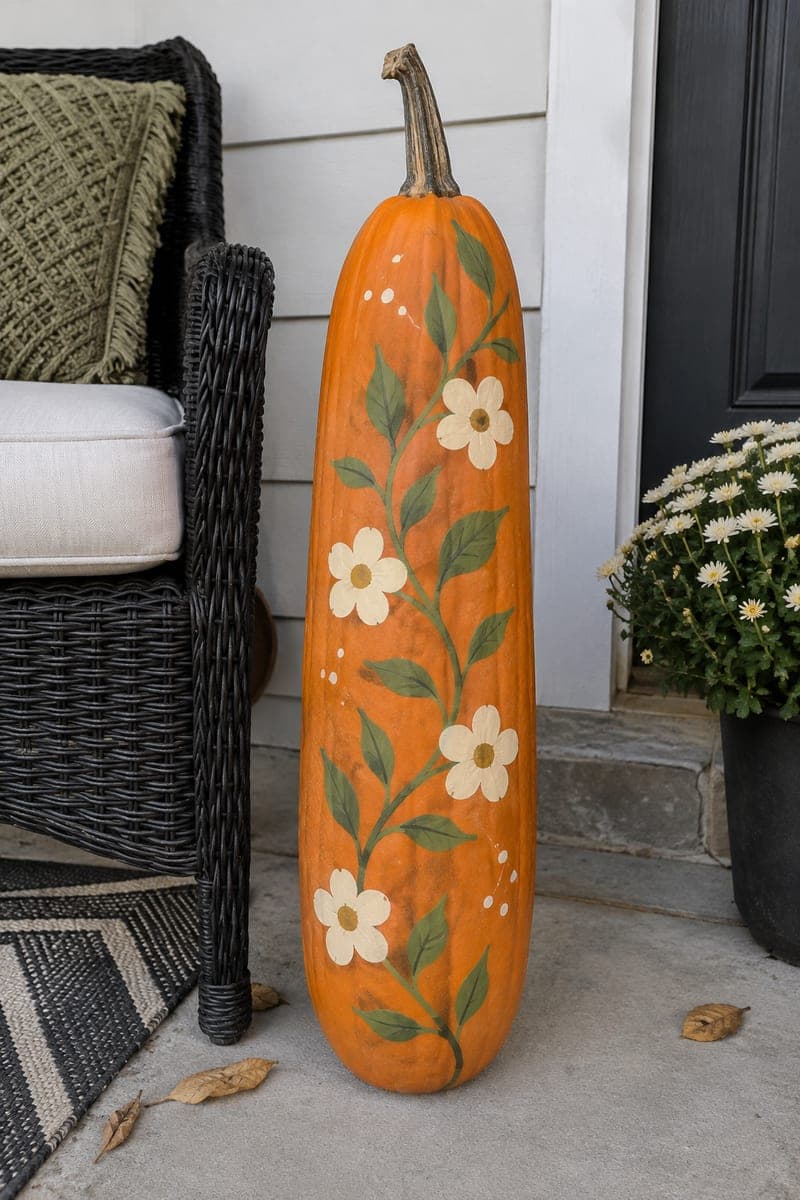
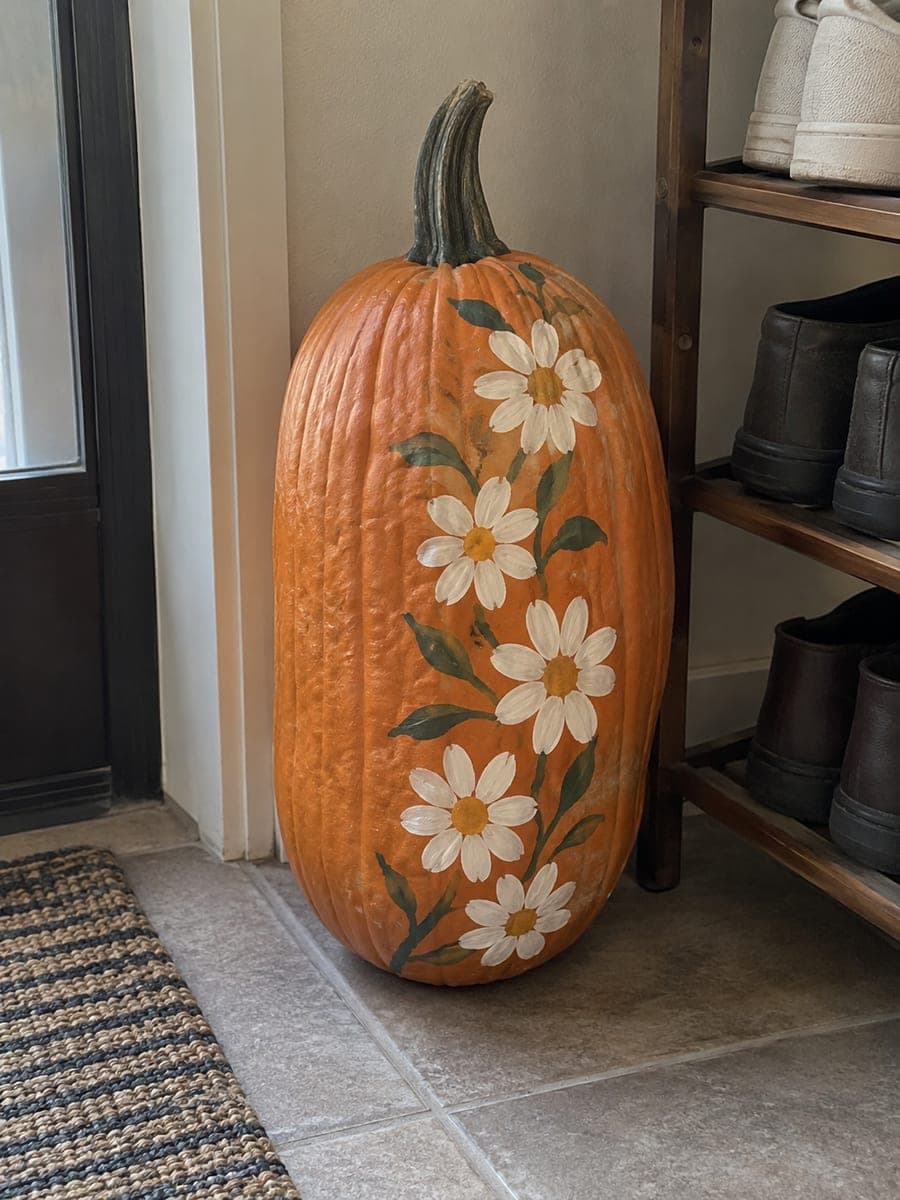
Trailing Vine Painted Tall Skinny Pumpkin on a PorchAI
0

Report this carving

Tell us what is wrong. Reports are private.

Trailing Vine Painted Tall Skinny Pumpkin on a Porch

A simple trailing vine of sage leaves and four cream flowers with mustard centers painted up the face of this 60-centimeter intact pumpkin uses only three flat paint colors for a result that looks carefully composed but takes under an hour. Begin at the lower-right side and let the vine meander slightly rather than running perfectly straight, which gives the design a natural organic quality. Add dots of cream paint at intervals along the vine to suggest small buds. This tall skinny pumpkin carving idea works beautifully for front porches where a botanical aesthetic suits the surrounding planters.

No ratings yet · Sign in to rate
Comments (0)

  • No comments yet — be the first.

Save without an account. Sign in to like or comment.

Our tips for carving a similar design

Three flat paint colors, sage for leaves, cream for petals, and mustard for flower centers, create a composed botanical scene that takes under an hour to complete. Starting the vine at the lower-right and letting it meander gives the design organic energy that a perfectly straight stem would lack. Cream dot accents suggest small buds without extra brushwork.

From pumpkin to porch

  1. Clean and dry the surface

    Wipe the pumpkin with a damp cloth and let it dry completely. Dust and surface wax prevent paint from adhering cleanly. If the skin feels waxy, a very light sanding with fine-grit sandpaper improves adhesion; wipe off any dust afterward.

  2. Sketch the vine path

    Use a chalk marker or soft pencil to sketch a single wandering stem line from the lower-right side upward. Let it curve slightly left and right rather than running straight up. Plan four flower positions along the vine, spacing them unevenly for a more natural look.

  3. Paint the stem and leaves

    Mix or use a premixed sage green for the stem line and small leaf shapes. Paint the stem first with a small round brush, then add leaf pairs along it. Keep leaves flat and simple, just oval strokes of sage with a point at the tip.

  4. Paint the cream flowers

    Using a medium flat brush, paint four simple four-petal flowers at the planned positions along the vine. Each flower is four teardrop strokes meeting at a center point. Let them dry before adding mustard centers so the colors do not bleed into each other.

  5. Add mustard centers and cream bud dots

    Use a small round brush to paint a mustard dot at the center of each flower. Then add scattered cream dots along the vine between flowers using a round brush or pencil eraser. Dots suggest unopened buds and fill any empty stretches of vine.

  6. Seal and display

    Once fully dry, apply one light coat of matte spray sealer for weather protection. Display beside a porch chair where the tall narrow shape is framed vertically and the botanical design reads clearly from a standing viewpoint.

Written with AI to match this design

Gather your supplies

Check things off as you get ready.

Work on a stable surface, keep your free hand out of the cutting path, and have an adult handle sharp tools.

Three levels of light

  • Leave intact

    The bare orange rind fills all the space around the painted vine, providing a warm contrasting background.

  • Peel & shade

    None. The shell is left completely intact.

  • Cut through

    None. Use a porch lamp or directed spotlight to illuminate the painted design from outside.

Learn the carving basics

Before you start cutting

How do I stop the cream flowers from looking too stiff and geometric?

Paint each petal in a single loaded brush stroke rather than outlining and filling. Load the brush, touch the tip to the center point, and press and drag outward. This teardrop stroke gives a slightly organic edge that looks hand-painted rather than printed.

Will sage green show up clearly over dark orange rind?

Mid-tone sage can look muted over orange. Use an undiluted sage with slightly cool tone and paint in two coats if needed. Alternatively, apply a small cream base stroke under each leaf before painting sage over it to boost contrast.

Can I use this design on a standard round pumpkin instead?

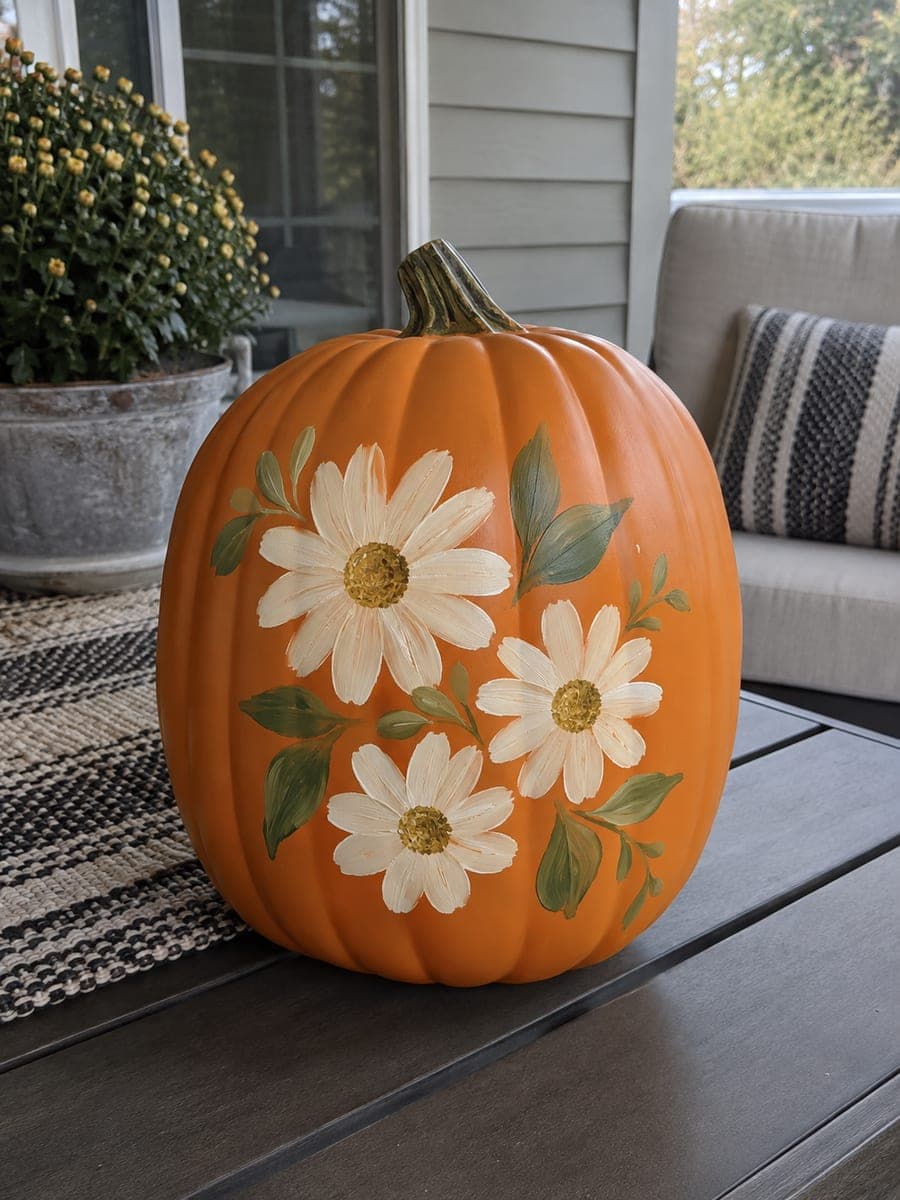
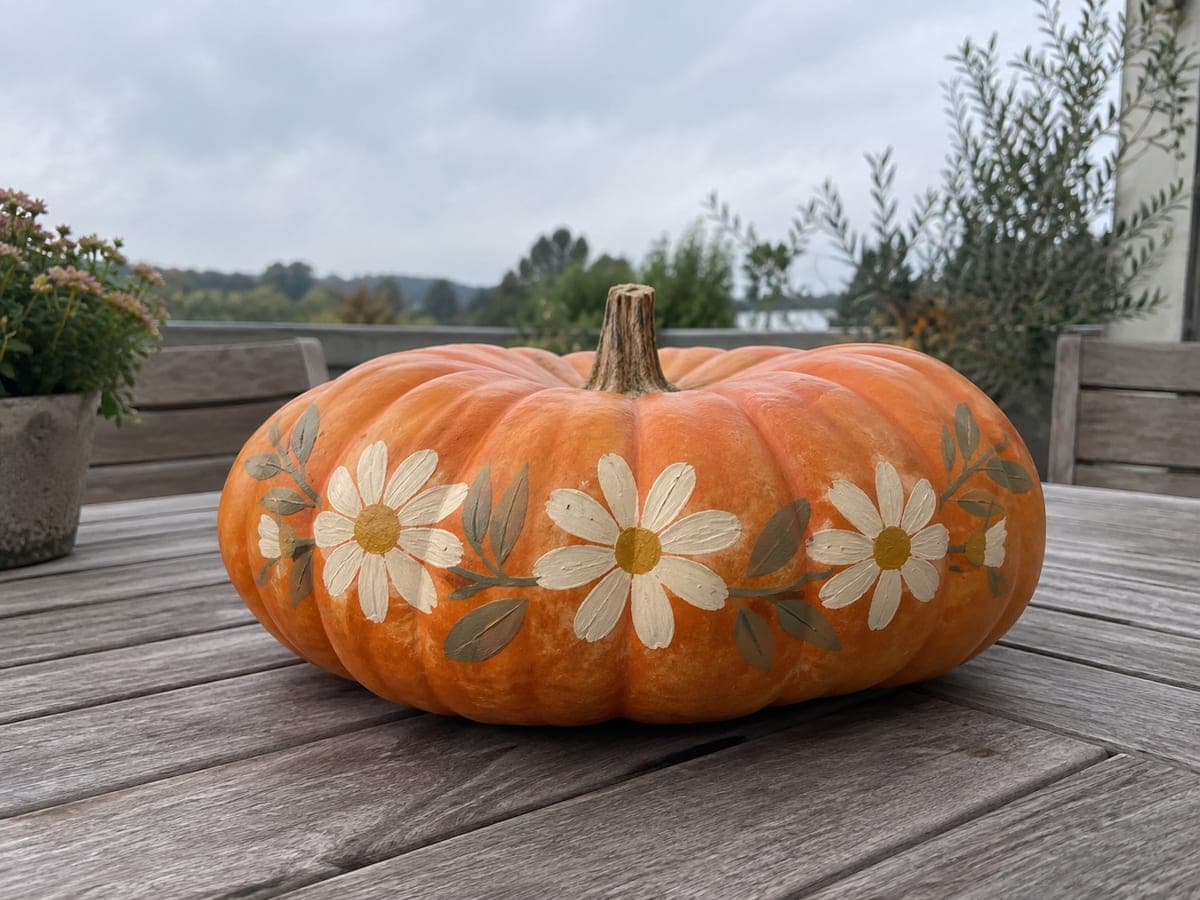
Yes, though the vine will need to wrap more horizontally to fill a rounder surface. Let the vine arc across the equator of the pumpkin rather than climbing straight up. The flower count can stay the same but the spacing should follow the curve.

Your take belongs here, too.

Changed a detail? Made it simpler? Share a photo of your version and tell the community what worked.

Share your pumpkin

More pumpkins like this

You've reached the end · 8 pumpkins
The Patch Report

Fresh pumpkins, in your inbox.

The best new carvings, ideas worth stealing, and how-tos for carving season. Short, seasonal, and gone by November.

A short email during carving season. Unsubscribe anytime. See our privacy policy.