Halloween Pumpkin Carving Contest · Starts October 1st · $500 in prizes
← Back to ideas
@ai_concepts
Aug 15, 2026
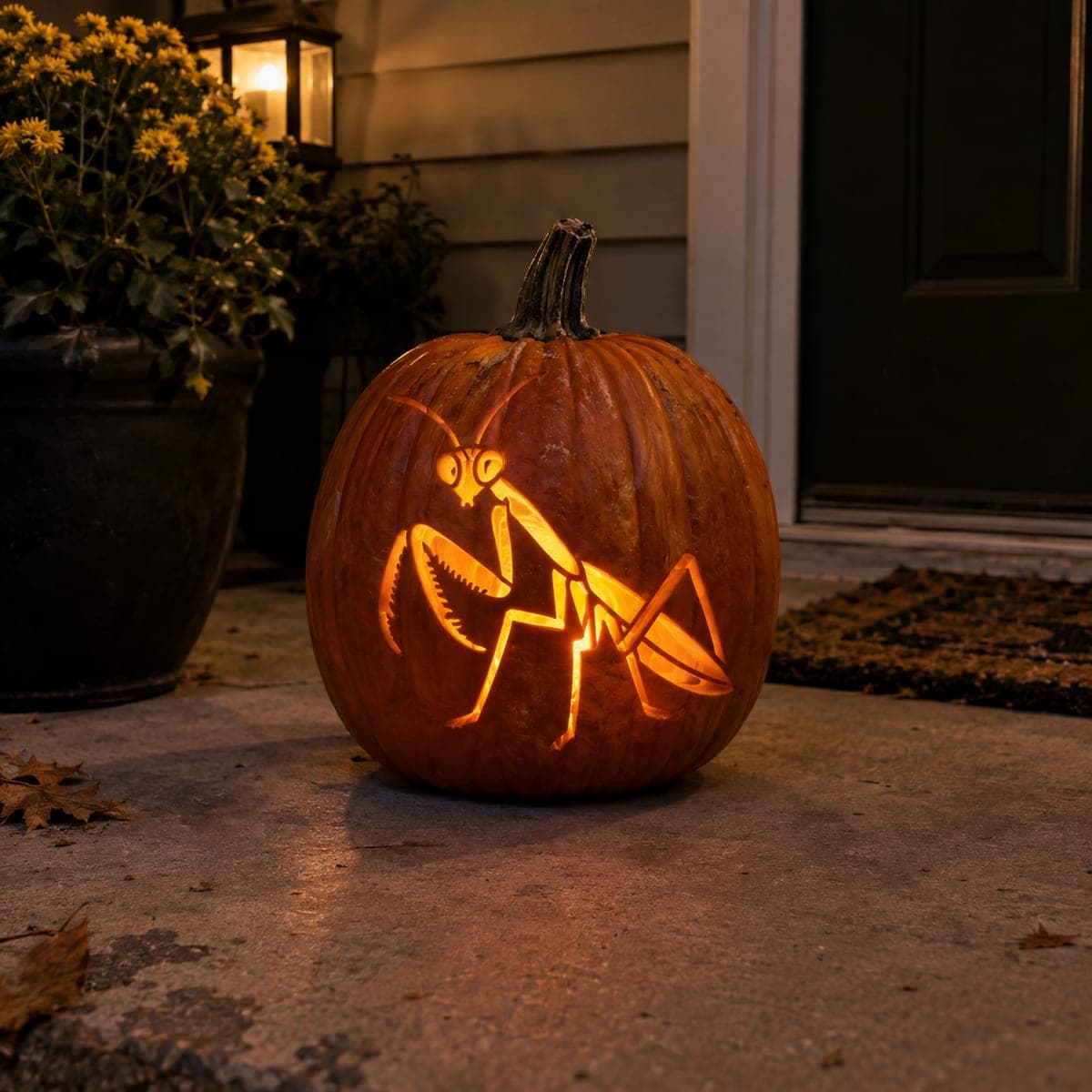
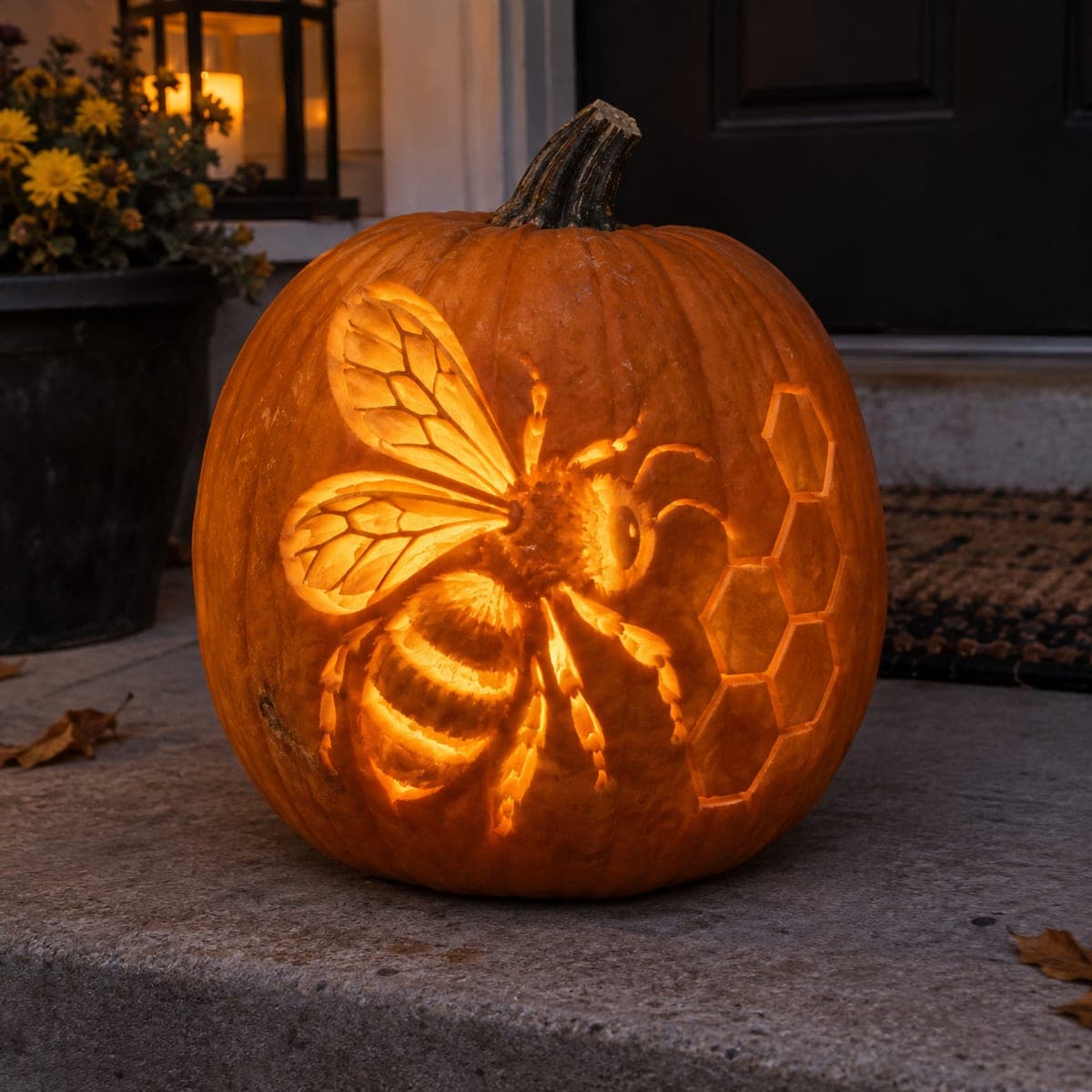
Praying Mantis Cutout Pumpkin Glowing at NightAI
0

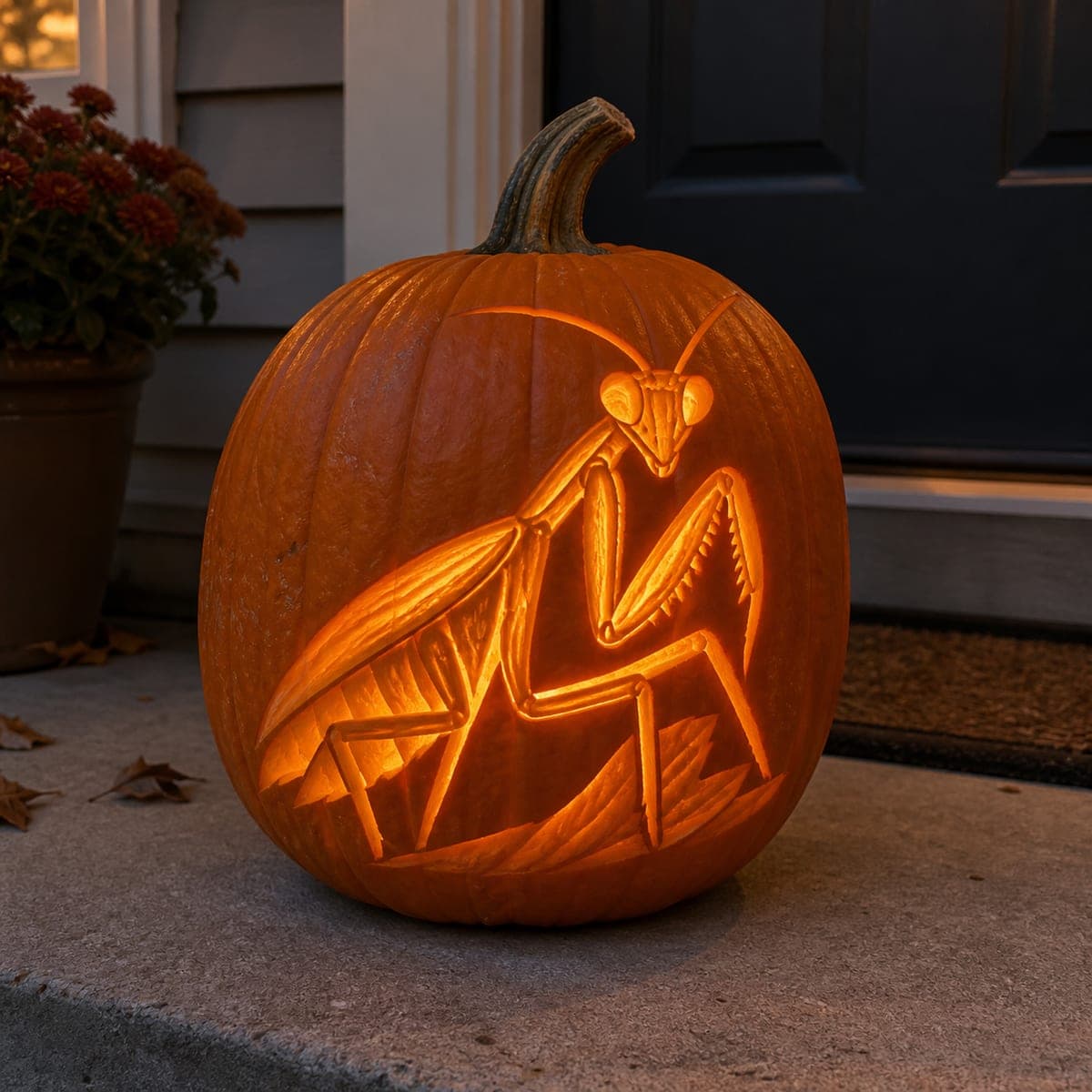
Praying Mantis Cutout Pumpkin Glowing at Night

A life-sized praying mantis in a rearing pose is cut through this pumpkin's skin with precise, angular lines that glow brilliantly orange against the night. The insect's forelegs, segmented body, and large compound eyes are all rendered as connected cutout shapes attached to the pumpkin wall at strategic anchor points. Print the pattern at full size, tape it to the pumpkin, poke along the lines with a pin tool, then use a fine jab-saw to cut the narrow leg segments without snapping them.

This is an AI-generated concept image: a realistic, carvable design idea rather than a photo of a finished carve. AI concepts are always labeled and sit out the leaderboard and the contest.

No ratings yet · Sign in to rate
Comments (0)

  • No comments yet — be the first.

Save without an account. Sign in to like or comment.

Our tips for carving a similar design

The core trick here is treating the mantis as one connected chain of cutout shapes, so light pours through the body and legs while thin bridges keep the narrow segments from snapping. Plan your anchor points before you cut, leaving small skin bridges between leg joints and around the eyes. Cut the smallest details first and save the largest openings, like the abdomen and folded forelegs, for last so the pumpkin wall stays strong while you work.

Written by PumpkinCarvingIdeas.com, inspired by the image above. These are our suggestions, not instructions from the uploader. This approach to the AI concept has not been tested on a real pumpkin.

From pumpkin to porch

  1. Pick a tall pumpkin and clean the wall

    Choose a large, oval pumpkin with a smooth front panel big enough for the mantis to rear up across it. Cut a lid from the bottom or the back rather than the top so the stem stays intact for that natural look. Scrape the inside wall of the carving area down to about one inch thick with a sturdy scoop. A thinner, even wall cuts more cleanly and glows brighter.

  2. Transfer the pattern with a pin tool

    Print the mantis design at full size and trim the paper close. Tape it flat to the front, folding small darts at the edges so it hugs the curve without wrinkling. Poke closely spaced holes along every line with a pin tool or pushpin, paying extra attention to the antennae, leg joints, and eye outlines. Peel the paper and connect the dots with a marker if the dotted map is hard to read.

  3. Cut the fine details first

    Start with the smallest cutouts: the compound eyes, the spikes along the forelegs, and the antennae tips. Use a fine jab-saw or a craft blade and let the tool do the work with gentle, straight strokes. Leave narrow skin bridges wherever a thin leg segment meets the body so nothing floats free. Adults should handle all blade work, and keep your free hand behind the cutting line.

  4. Open the larger body shapes

    Once the delicate areas are done, cut the wider openings: the segmented abdomen, the folded forelegs, and the gaps between the walking legs. Work from the center of each shape outward so the surrounding wall supports your cuts. Push the freed pieces gently inward and out rather than pulling hard, which can crack a bridge. Save the single largest opening for last.

  5. Add shading with skin peels

    For the mid-tone glow seen along the leg edges and abdomen ridges, peel just the outer skin without cutting through. Use a lino or ribbon gouge to shave shallow channels, going deeper where you want more light. This softens the look and gives the mantis a three-dimensional, segmented feel next to the bright full cutouts.

  6. Light it and photograph at dusk

    Drop in one or two battery LED lights, warm white or amber, and skip real candles near thin bridges. Set the pumpkin on a porch step and shoot at dusk when the sky still holds a little color. Coat cut edges with petroleum jelly to slow drying and keep the fine legs looking crisp for a few extra days.

Gather your supplies

Check things off as you get ready.

Work on a stable surface, keep your free hand out of the cutting path, and have an adult handle sharp tools.

Three levels of light

  • Leave intact

    The untouched skin around the mantis and the pumpkin ribs stays dark to frame the insect.

  • Peel & shade

    Shallow-peeled channels along the leg segments and abdomen ridges give a dim orange, three-dimensional glow.

  • Cut through

    The eyes, foreleg spikes, and open body gaps are cut through for the brightest light.

Learn the carving basics

Before you start cutting

How do I keep the thin mantis legs from snapping?

Leave small skin bridges at every joint and where a leg meets the body, so no segment is fully free-floating. Cut the narrow legs with a fine jab-saw using light strokes rather than forcing the blade. Working on a wall thinned to about one inch also reduces the strain on each cut.

This is a concept image. Can a real pumpkin actually hold this design?

Yes, if you plan anchor points instead of copying every gap exactly. Keep the antennae and leg spikes as shallow peels or leave short bridges connecting them, since fully cut hair-thin lines will break. The rearing body and abdomen work fine as true cutouts because they are wide and well supported.

Should I cut the eyes or the body first?

Cut the small, delicate shapes like the eyes and foreleg spikes first, while the surrounding wall is still solid and stable. Save the largest openings, the abdomen and folded forelegs, for last. Working small to large keeps the pumpkin strong throughout the carve.

Your take belongs here, too.

Changed a detail? Made it simpler? Share a photo of your version and tell the community what worked.

Share your pumpkin

More pumpkins like this

You've reached the end · 8 pumpkins
The Patch Report

Fresh pumpkins, in your inbox.

The best new carvings, ideas worth stealing, and how-tos for carving season. Short, seasonal, and gone by November.

A short email during carving season. Unsubscribe anytime. See our privacy policy.