Halloween Pumpkin Carving Contest · Starts October 1st · $500 in prizes
← Back to ideas
@ai_concepts
Sep 14, 2026
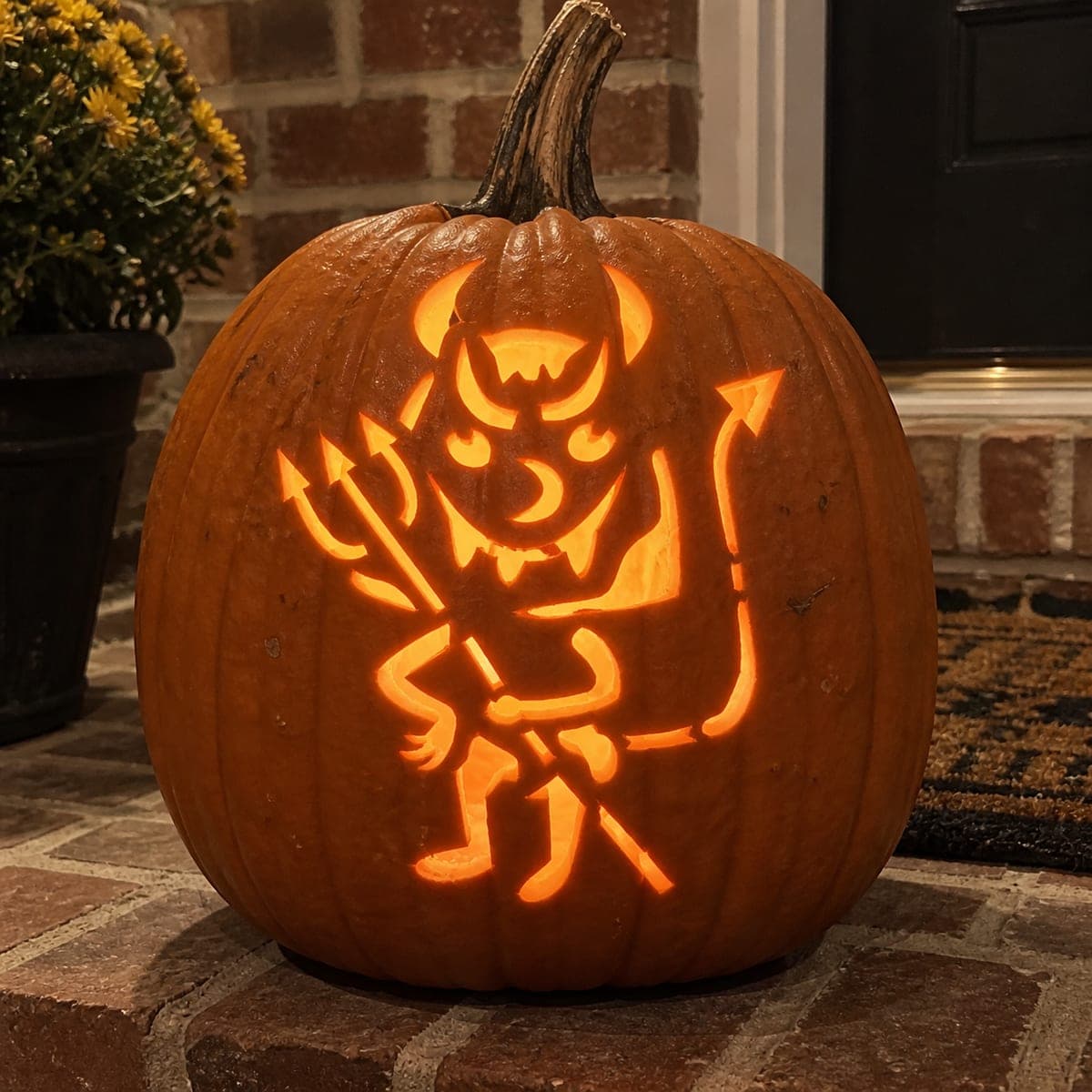
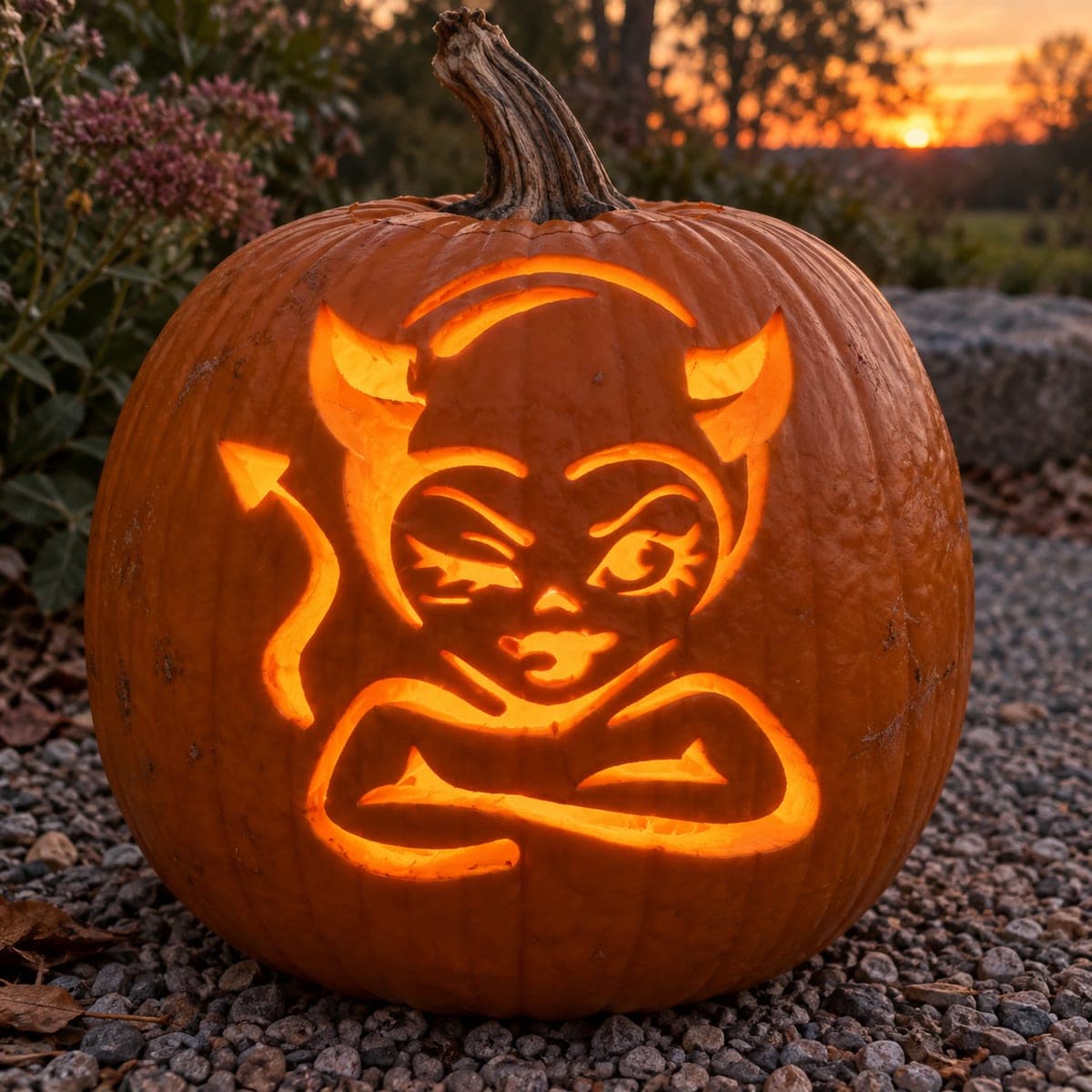
Running Devil With a Trident PumpkinAI
0

Running Devil With a Trident Pumpkin

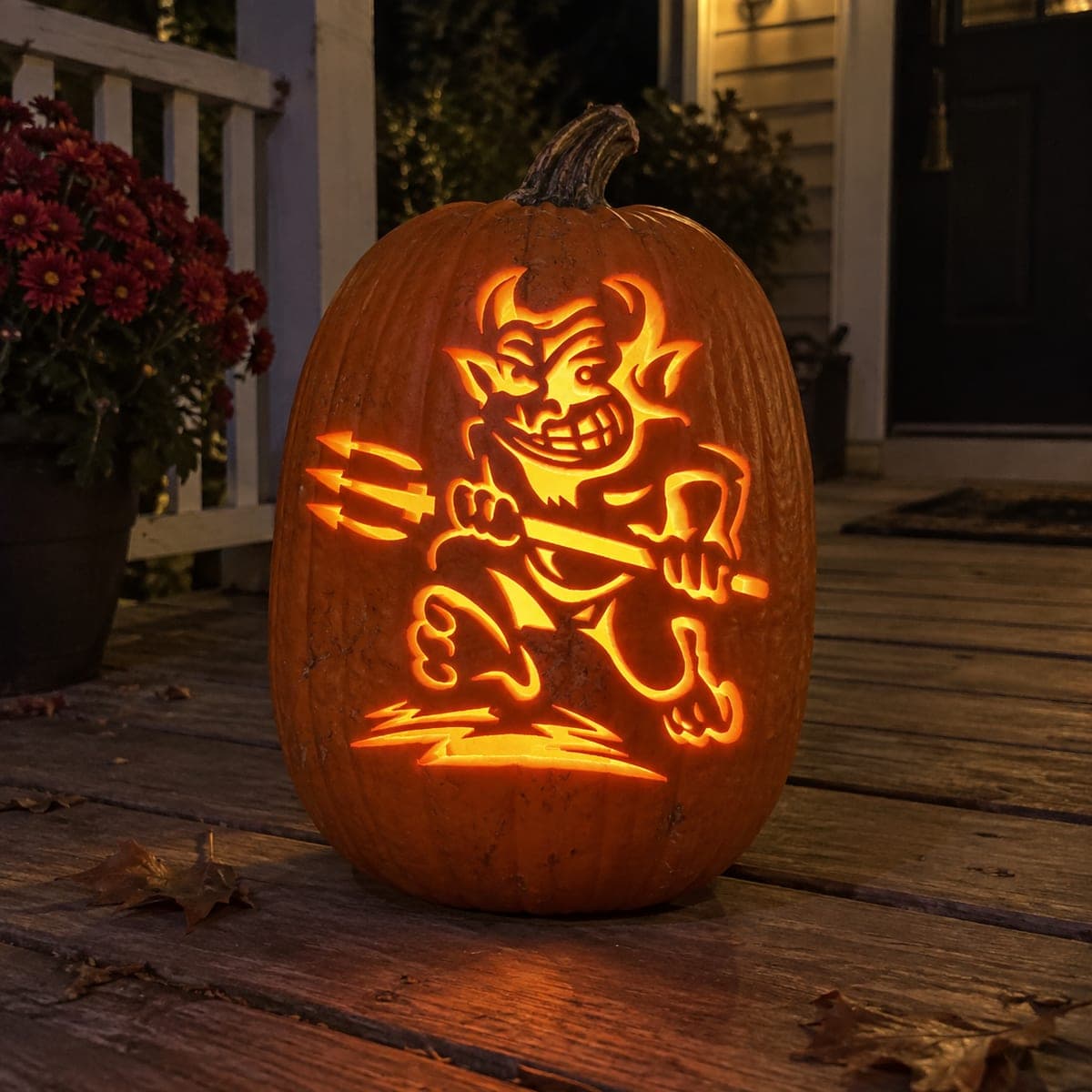
A grinning cartoon devil in full stride clutches a long horizontal trident at waist height, one foot lifted as if caught mid-run in this funny pumpkin carving idea for Halloween. The cutout design is fully pierced, so the movement of the arms, legs, and trident tines all glow as one energetic silhouette. The horizontal trident shaft is the most vulnerable bridge, so cut it last and leave it slightly thicker than the design line suggests, trimming carefully from each end inward. A tall, upright pumpkin gives the running figure's extended limbs room to stretch without crowding the top or bottom edges.

This is an AI-generated concept image: a realistic, carvable design idea rather than a photo of a finished carve. AI concepts are always labeled and sit out the leaderboard and the contest.
No ratings yet · Sign in to rate

Comments (0)

  • No comments yet — be the first.

Save without an account. Sign in to like or comment.

Our tips for carving a similar design

This design is a fully pierced silhouette, so the whole running devil glows as one connected shape of light. The core trick is keeping the long horizontal trident shaft intact, since it is the thinnest bridge in the layout and wants to snap. Plan your cuts so this shaft stays a little thicker than drawn and gets carved dead last, working inward from each end.

Written by PumpkinCarvingIdeas.com, inspired by the image above. These are our suggestions, not instructions from the uploader. This approach to the AI concept has not been tested on a real pumpkin.

From pumpkin to porch

  1. Pick a tall pumpkin and clean it out

    Choose an upright, oval pumpkin with a smooth front panel so the running figure's stretched arms and legs have room top to bottom. Cut a lid from the bottom or back rather than the top so the stem stays picture ready. Scrape the inside wall behind your design down to about one inch thick so light passes evenly. An even wall also makes the thin trident and limbs easier to cut cleanly.

  2. Transfer the stencil

    Tape the printed stencil flat against the front, snipping the edges so it hugs the curve without wrinkles. Poke the outline with a pin or a dull pencil, spacing dots close together along the trident and other narrow lines. Peel the paper and connect the dots lightly with a marker if it helps you read the shape. Double check that the horizontal trident shaft reads as one continuous band before you start cutting.

  3. Carve the small interior details first

    Start with the smallest openings, like the gaps in the grin, the eye, the horns, and the trident tines. Use a fine saw or a craft knife and let the blade do the work with gentle pressure. Cutting these tight spots while the pumpkin is still solid keeps the wall rigid and less likely to crack. Support the area with your free hand flat on the skin, never behind the blade.

  4. Open the arms, legs, and body next

    Move on to the larger silhouette gaps that separate the limbs from the body. Cut each opening in short segments and pop the pieces out gently as you go. Work from the center of the figure outward so the surrounding skin stays supported. Leave the horizontal trident shaft for last, treating everything around it as its own islands of pumpkin.

  5. Cut the trident shaft last and thick

    Save the long horizontal trident for the final cut, since it is the most fragile bridge in the whole design. Trim it slightly thicker than the stencil line suggests, and carve carefully from each end inward toward the middle. Take light passes and stop often to check the shaft still feels solid. If it starts to flex, leave it a touch wider rather than chasing a perfectly thin line.

  6. Light it and photograph

    Drop in a battery LED, warm white or amber, to make the whole figure glow as one energetic silhouette. Set the pumpkin on a porch or step at dusk and shoot slightly above eye level for the best read of the running pose. If any edge looks thick, shave a thin bevel from the inside to brighten it. Mist the cut edges with water and refrigerate overnight when not on display to keep the fine lines fresh.

Gather your supplies

Check things off as you get ready.

Work on a stable surface, keep your free hand out of the cutting path, and have an adult handle sharp tools.

Three levels of light

  • Leave intact

    The broad face, torso, and outer body skin stay untouched and dark, framing the figure.

  • Peel & shade

    Optional shallow peeling along muscle or horn contours can add a soft mid glow if you want dimension.

  • Cut through

    The full silhouette gaps, the grin, eyes, horns, limbs, and trident tines are cut through for the brightest light.

Learn the carving basics

Before you start cutting

How do I keep the long trident shaft from breaking?

Cut it absolutely last, after every other opening is done, so the surrounding pumpkin supports it the whole time. Leave it a little thicker than the stencil line and carve from both ends toward the center with light passes. If it starts to flex, stop and leave it wider rather than forcing a thin line.

Should I carve top down or start with details?

Start with the smallest interior details like the grin, eye, and tines while the wall is still solid and stiff. Then open the larger limb gaps, working from the center outward. Saving the big openings and the trident for last keeps the pumpkin rigid as long as possible.

This is an AI concept, so can a real pumpkin hold all these thin pieces?

Yes, with care. Thin the wall to about one inch, keep the trident shaft and tines slightly thicker than drawn, and avoid over trimming any single bridge. Real pumpkin is forgiving if you leave a bit of extra material on the narrowest connections.

Your take belongs here, too.

Changed a detail? Made it simpler? Share a photo of your version and tell the community what worked.

Share your pumpkin

More pumpkins like this

You've reached the end · 8 pumpkins
The Patch Report

Fresh pumpkins, in your inbox.

The best new carvings, ideas worth stealing, and how-tos for carving season. Short, seasonal, and gone by November.

A short email during carving season. Unsubscribe anytime. See our privacy policy.