Halloween Pumpkin Carving Contest · Starts October 1st · $500 in prizes
← Back to ideas
@ai_concepts
Aug 4, 2026
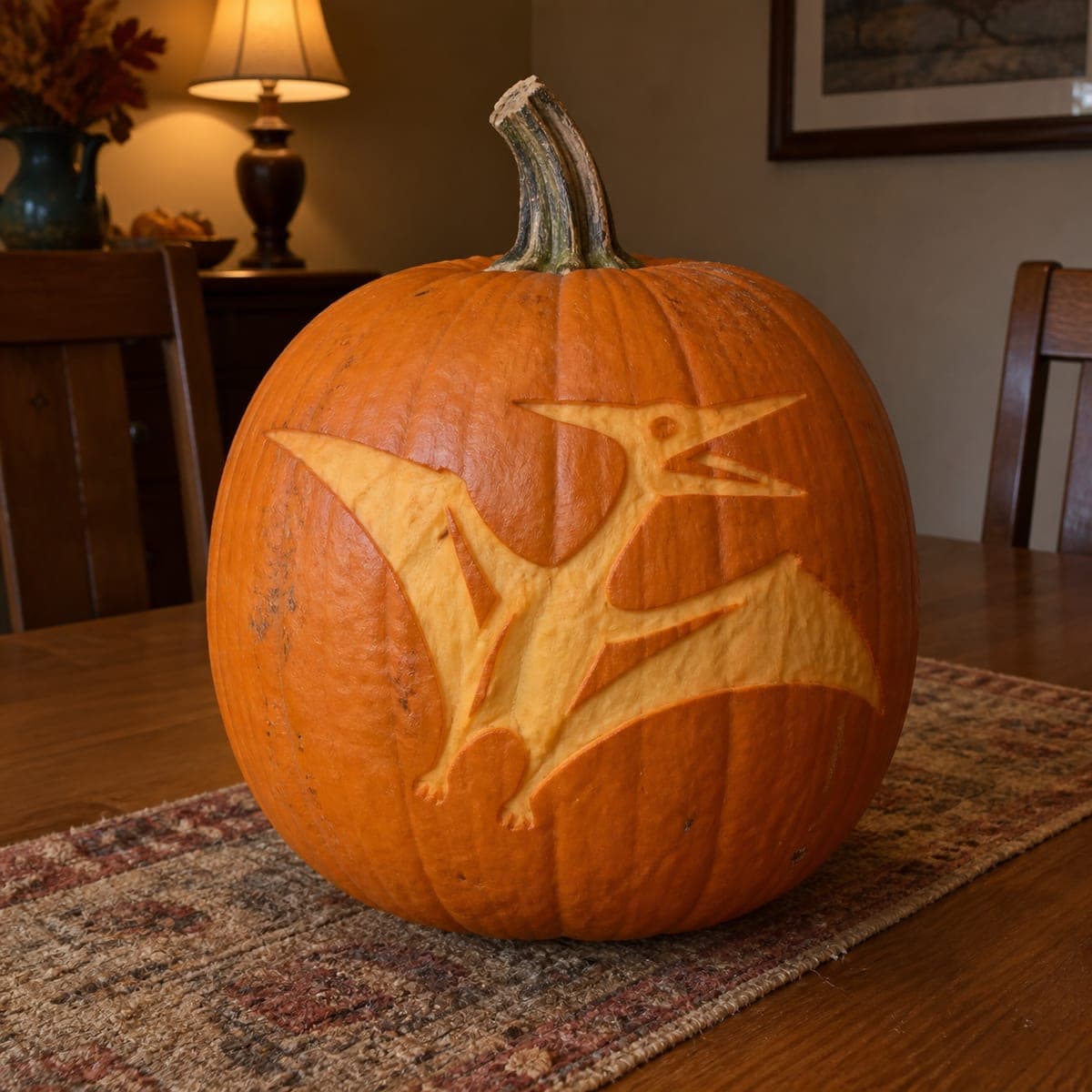
Running Velociraptor Dinosaur Pumpkin CarvingAI
0

Running Velociraptor Dinosaur Pumpkin Carving

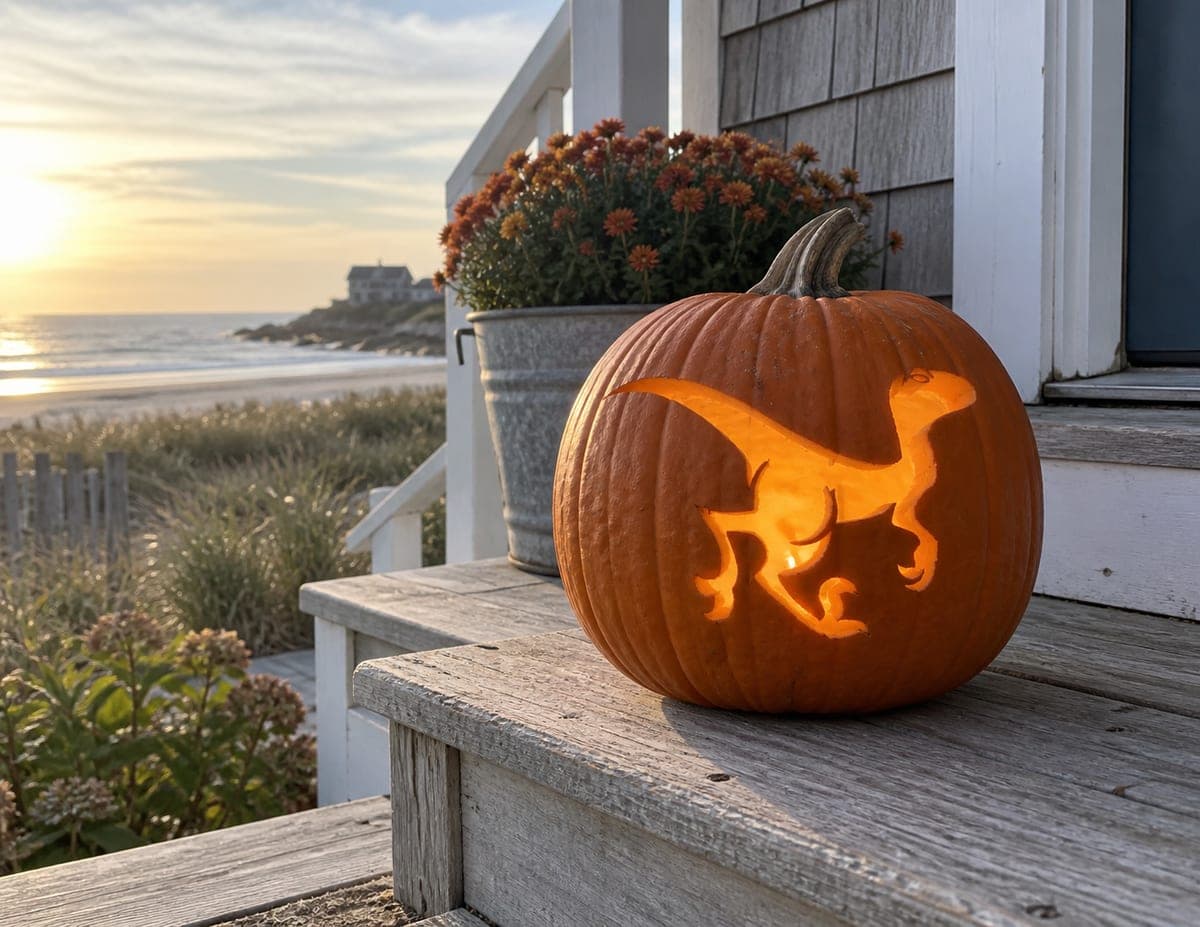
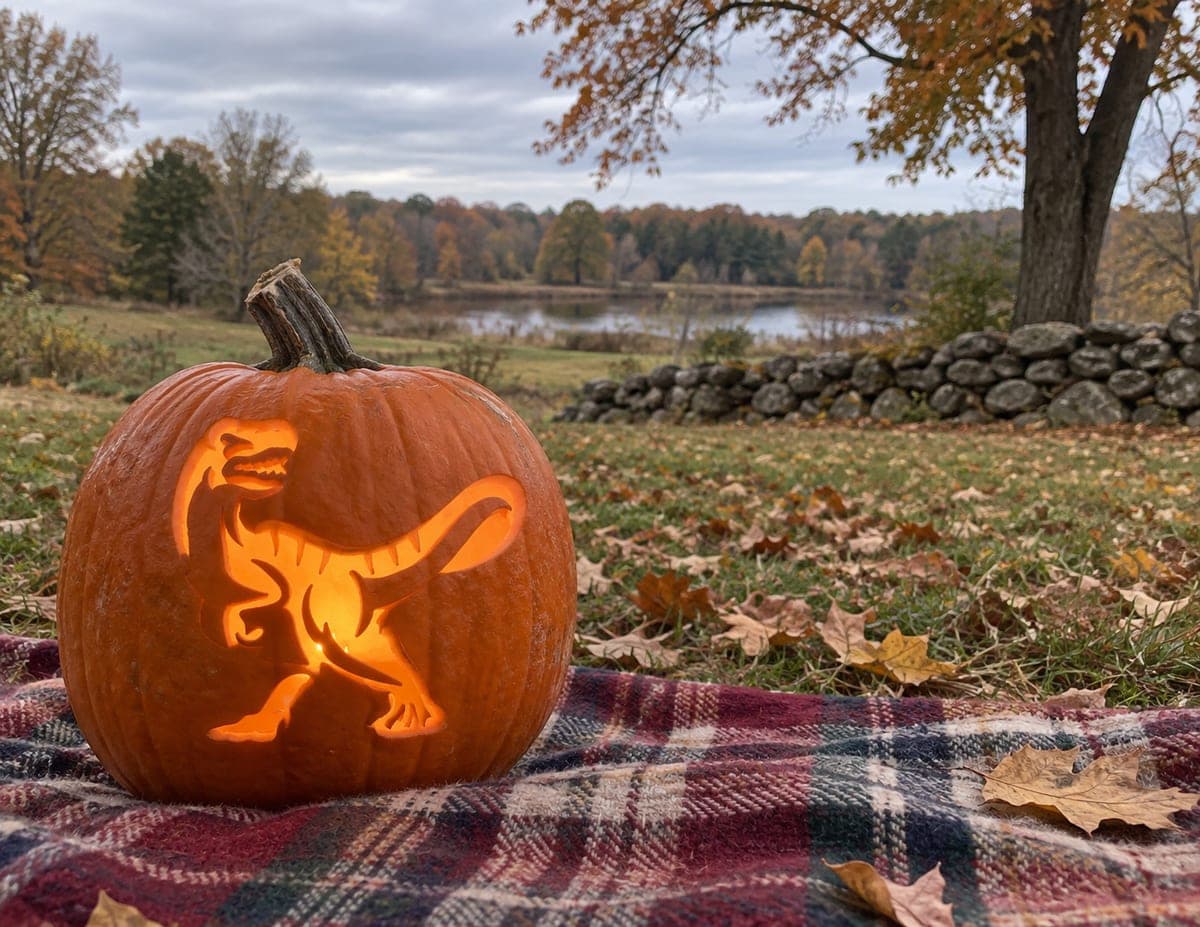
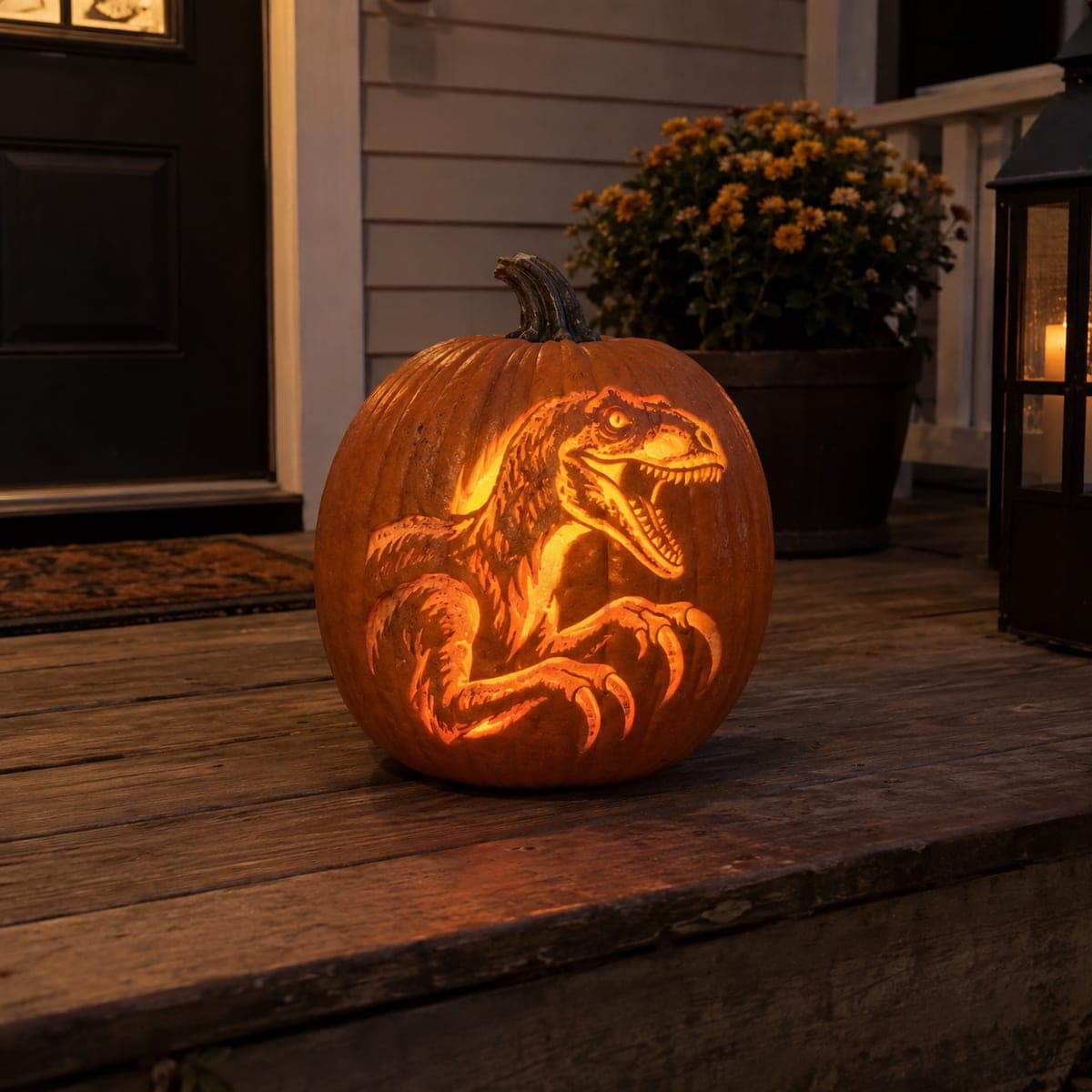
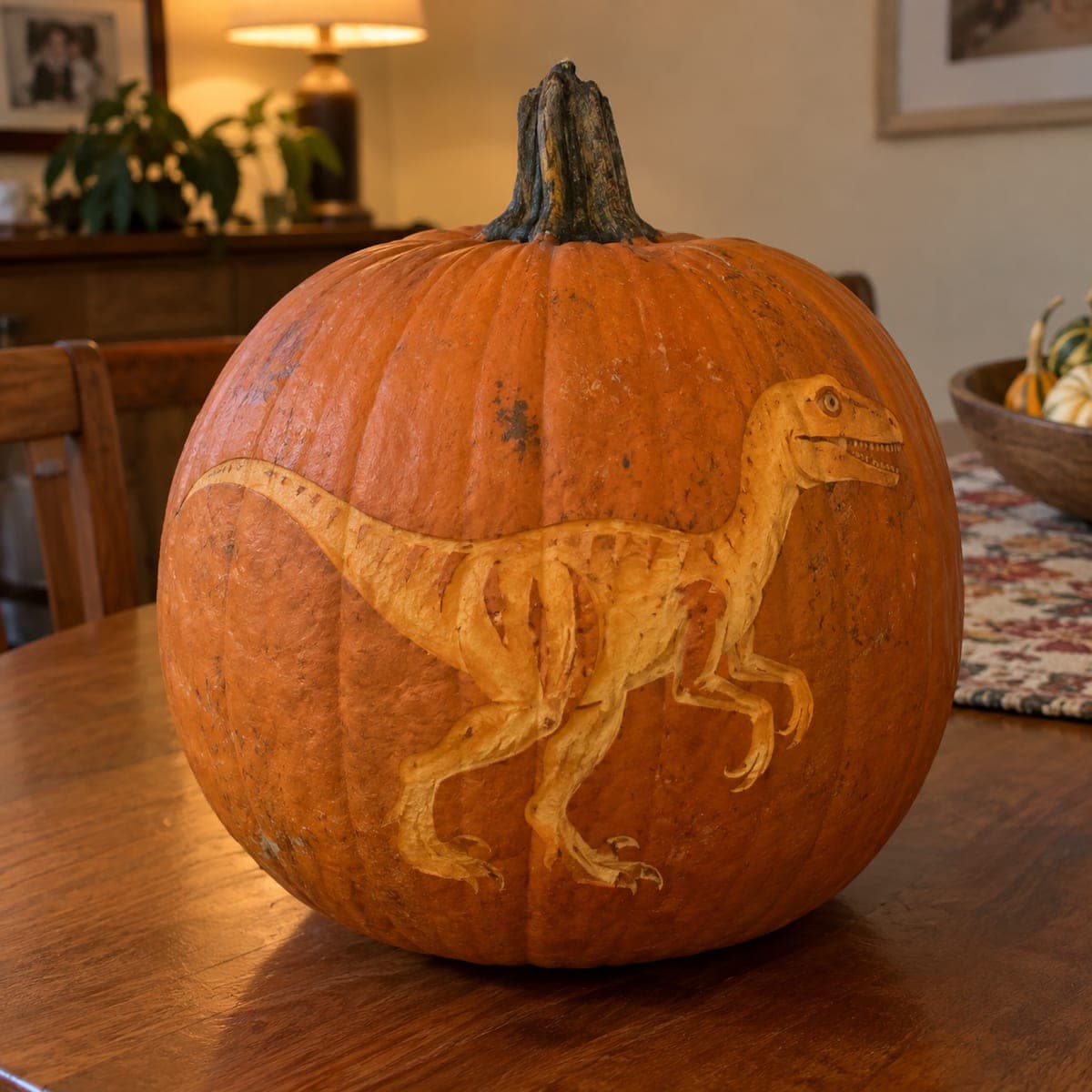
This velociraptor prowls across the pumpkin mid-stride, complete with clawed feet, a long balancing tail, and detailed skin texture etched into the rind. The whole dinosaur is a surface carve, so no pieces are cut through and the design holds up for days. Print a raptor outline, tape it on, and poke-transfer the dots before peeling with a lino tool. Dinosaur-obsessed kids will spot it from across the room.

This is an AI-generated concept image: a realistic, carvable design idea rather than a photo of a finished carve. AI concepts are always labeled and sit out the leaderboard and the contest.

No ratings yet · Sign in to rate
Comments (0)

  • No comments yet — be the first.

Save without an account. Sign in to like or comment.

Our tips for carving a similar design

This design is a full surface carve, meaning the whole velociraptor lives in the skin of the pumpkin rather than being cut all the way through. The trick is controlling depth: peel the raptor's body to a glowing mid tone, then shave shallower or deeper to suggest ribs, muscle, and clawed feet. Because nothing is cut through, the whole piece stays sturdy and holds its shape for days.

Written by PumpkinCarvingIdeas.com, inspired by the image above. These are our suggestions, not instructions from the uploader. This approach to the AI concept has not been tested on a real pumpkin.

From pumpkin to porch

  1. Pick a smooth panel and light it

    Choose the flattest, cleanest face of a large pumpkin so the long tail and reaching legs have room to spread. If you want a soft internal glow later, cut a lid from the bottom instead of the top so the design side stays unbroken, scoop it out, and thin the carving wall to about an inch. Drop in a battery LED to test how the peeled areas will read. Never use a candle with a thin-walled surface carve.

  2. Transfer the raptor outline

    Print a running velociraptor profile sized to fill the panel from head near the shoulder down to the clawed feet. Tape it flat, working out wrinkles around the pumpkin's curve, and poke dots along every line with a transfer tool or pushpin. Trace the head, the arching back, the tail line, each leg, and the toe claws. Peel the paper and connect the dots lightly with a marker so you can see the full shape.

  3. Outline and peel the body

    With a small lino or ribbon tool, score just inside your outline to define the raptor's edge. Then peel away the top skin across the whole body to reveal the dim orange layer underneath, which is what gives the dinosaur its warm glow. Keep the depth even to start, and stay inside your scored line so the silhouette stays crisp. Work slowly around the narrow tail and slender lower legs since those thin shapes are easy to overshoot.

  4. Shade the muscle and skeleton

    Now build contrast by varying depth. Shave a little deeper along the ribs, the spine, and the hollows of the legs so more light comes through, and leave the raised muscle areas shallower so they read darker. Use short, curved strokes to hint at the pebbled skin texture the design is known for. Step back often and check the balance of light and dark under the LED.

  5. Detail the head, teeth, and claws

    Switch to your smallest tool for the face. Peel a bright eye, then carve a thin row of shallow nicks for the teeth rather than cutting a full open mouth, which keeps the snout strong. Sharpen each toe claw and the curved hand claws with light passes so they stay pointed but attached. These fine touches are what make dino fans recognize a raptor instantly.

  6. Seal, light, and photograph

    Wipe the carved surface clean, then rub the peeled areas with a little petroleum jelly to slow drying and keep the glow rich. Set your LED inside and dim the room to check that the ribs and claws show clearly. Adjust any spot that looks muddy by shaving a hair deeper. Shoot your photo in low light so the warm surface tones stand out against the dark skin.

Gather your supplies

Check things off as you get ready.

Work on a stable surface, keep your free hand out of the cutting path, and have an adult handle sharp tools.

Three levels of light

  • Leave intact

    The untouched background rind and the raised muscle masses of the raptor stay dark for contrast.

  • Peel & shade

    The main body, neck, and tail get skin-peeled to a mid orange glow.

  • Cut through

    Nothing is cut fully through on this design, but the deepest shaved hollows along the ribs and leg gaps read brightest.

Learn the carving basics

Before you start cutting

Do I cut all the way through anywhere?

No. This is a surface carve, so the entire raptor stays in the pumpkin skin with nothing cut through. That is what keeps the long tail and thin legs from breaking. For glow, thin the wall from inside and rely on depth variation instead of open holes.

How do I keep the skinny legs and tail from tearing?

Work those areas with light, shallow strokes and a small tool rather than a big blade. Since you are only peeling skin, not cutting through, the shapes stay supported by the wall behind them. Take your time around the toe claws and the tapering tail tip.

This is shown as an AI concept, so can a real pumpkin look like this?

Yes, a design like this is very achievable as a surface carve on a real pumpkin. Keep the teeth as shallow nicks and the claws as attached points rather than free-standing spikes. The skeletal shading comes purely from carving to different depths, which any patient carver can do.

Your take belongs here, too.

Changed a detail? Made it simpler? Share a photo of your version and tell the community what worked.

Share your pumpkin

More pumpkins like this

You've reached the end · 8 pumpkins
The Patch Report

Fresh pumpkins, in your inbox.

The best new carvings, ideas worth stealing, and how-tos for carving season. Short, seasonal, and gone by November.

A short email during carving season. Unsubscribe anytime. See our privacy policy.