Halloween Pumpkin Carving Contest · Starts October 1st · $500 in prizes
← Back to ideas
@ai_concepts
Sep 25, 2026
Painted Mauve Triceratops No-Carve Pumpkin with Cream HornsAI
0

Report this carving

Tell us what is wrong. Reports are private.

Painted Mauve Triceratops No-Carve Pumpkin with Cream Horns

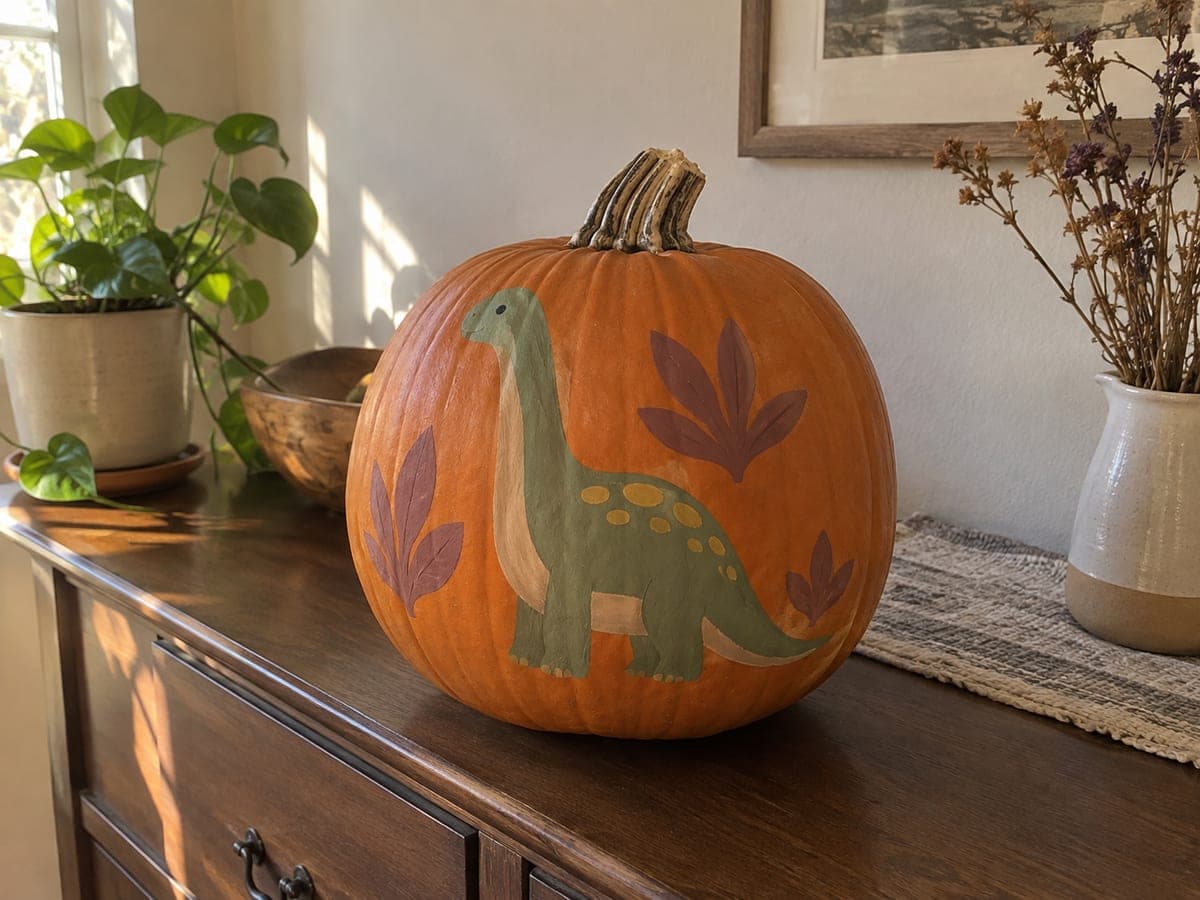
A flat mauve triceratops with a sage frill, three cream horns, a black dot eye, and mustard round spots is painted directly onto an intact orange pumpkin in this no-carve triceratops pumpkin stencil project. Broad, simple shapes and visible brushstrokes give the design a cheerful hand-crafted quality that pairs well with a kitchen counter or indoor display. Sketch the frill outline lightly in pencil first since its curves are the trickiest part to get balanced. Finish with a coat of clear acrylic sealer to protect the paint from humidity.

No ratings yet · Sign in to rate

Comments (0)

  • No comments yet — be the first.

Save without an account. Sign in to like or comment.

Our tips for carving a similar design

A flat mauve triceratops with a sage frill, cream horns, a black eye dot, and mustard spots is painted directly onto an intact orange pumpkin using flat acrylic craft paint. Sketching the frill outline first in pencil is the most important prep step since the frill curves are the trickiest part to balance. A clear acrylic sealer finish protects the design from humidity and handling.

From pumpkin to porch

  1. Clean and steady the pumpkin

    Wipe the surface with a damp cloth and let it air dry. Place on a folded towel so it does not roll. Choose the flattest side of the pumpkin for the design to make painting the frill curve as easy as possible.

  2. Sketch the triceratops and frill

    Lightly pencil the side-view triceratops body with a broad torso, four stout legs, and a short tail. Sketch the large rounded frill curving back from the head. The frill is the widest element of the composition, so position it first before drawing the rest of the body.

  3. Paint the sage frill

    Apply sage-green acrylic to the frill with a flat brush. Two coats are needed for solid coverage. Let this dry completely before touching the adjacent mauve body area.

  4. Fill in the mauve body

    Paint the triceratops body, head, and legs with mauve acrylic. Keep the edge between mauve and sage at the frill base reasonably clean. Apply two coats and let dry fully.

  5. Add cream horns, the black eye, and mustard spots

    Use a fine liner brush to paint three cream horn shapes extending from the face and frill. Place a single small black eye dot on the head. Dip a brush handle or round sponge into mustard paint and press several evenly spaced spots across the body.

  6. Seal and display indoors

    Apply clear acrylic sealer spray in one light, even coat. Display on a kitchen counter or indoor shelf in overcast or warm incandescent light, which complements the mauve and sage palette. The intact pumpkin will remain fresh throughout the Halloween season.

Written with AI to match this design

Gather your supplies

Check things off as you get ready.

Work on a stable surface, keep your free hand out of the cutting path, and have an adult handle sharp tools.

Three levels of light

  • Leave intact

    The natural orange rind surrounds and frames the painted triceratops throughout

  • Peel & shade

    None, the shell stays fully intact

  • Cut through

    None, use a nearby lamp or window light to bring out the painted colors

Learn the carving basics

Before you start cutting

How do I get the frill curve to look balanced on both sides?

Draw the frill as a light pencil arc before committing to paint. Step back and check the curve from arm's length before painting over it. If one side looks higher than the other, adjust the pencil line before it becomes permanent in paint.

The mauve paint looks purple under some lights. How do I keep it warm?

Mauve shifts toward purple under cool LED light and looks warmer and pinker under incandescent or warm white bulbs. Display under warm light for the most flattering result. If the mauve still reads too purple, mix a small amount of red or orange into the acrylic before painting to warm the hue.

Can I add more detail to the frill, like dots or a pattern?

Yes. Small cream or mustard dots along the frill edge are a natural extension of the mustard body spots and make the frill feel more decorative. Apply them after the sage base coat is dry, using the same brush handle dot technique as the body spots.

Your take belongs here, too.

Changed a detail? Made it simpler? Share a photo of your version and tell the community what worked.

Share your pumpkin

More pumpkins like this

You've reached the end · 8 pumpkins
The Patch Report

Fresh pumpkins, in your inbox.

The best new carvings, ideas worth stealing, and how-tos for carving season. Short, seasonal, and gone by November.

A short email during carving season. Unsubscribe anytime. See our privacy policy.